Elizabeth Freeman
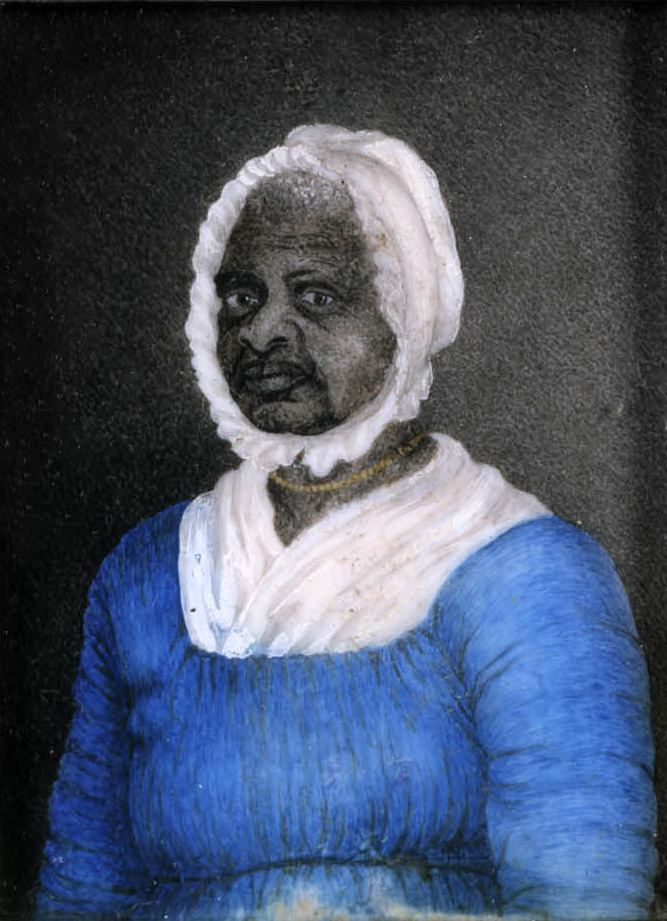
An enslaved woman known as Mum Bett used Massachusetts' new constitution to win her freedom in court.
What was happening?
The 1780 Massachusetts Constitution declared that "all men are born free and equal." Slavery was still legal in practice.
What happened?
Bett and a man named Brom sued their enslaver, John Ashley, with lawyer Theodore Sedgwick. In 1781 a jury declared them free. She took the name Elizabeth Freeman.
Why?
She argued the constitution's words meant exactly what they said.
How did Black people respond?
Freeman's suit, alongside the Quock Walker cases, turned the state's founding language into a legal weapon.
What changed?
By 1783 courts treated slavery as incompatible with the Massachusetts constitution, and it effectively ended there.
What happened next?
Northern states abolished slavery gradually over the following decades, though often very slowly.
How could this still matter today?
Black litigants have repeatedly forced America to live up to its own written promises, a strategy that runs from Freeman to Brown v. Board.
Evidence & sources
Evidence rating: What the ratings mean
- Court case · 1781Brom and Bett v. John Ashley, Esq. · Berkshire County Court of Common Pleas
The jury found for the plaintiffs and awarded damages of thirty shillings.Brom & Bett v. Ashley (Mass. Ct. Com. Pl. 1781).
Related stories
- 1656Elizabeth KeyShe sued for her freedom. And won.
- May 17, 1954Brown v. BoardA 20-year legal strategy.
- 1787The Three-Fifths ClauseIt gave slaveholders more seats.
Cite this page
APAThe Black American Story. (2026). Elizabeth Freeman. https://www.theblackamericanstory.com/stories/mum-bett/MLA
"Elizabeth Freeman." The Black American Story, 2026, https://www.theblackamericanstory.com/stories/mum-bett/. Accessed [date].
Chicago"Elizabeth Freeman." The Black American Story. 2026. https://www.theblackamericanstory.com/stories/mum-bett/.