Elaine, 1919
Black sharecroppers met to demand fair prices for their cotton. Hundreds were killed in the days that followed.
What was happening?
Sharecroppers were routinely cheated in cotton settlements by landowners.
What happened?
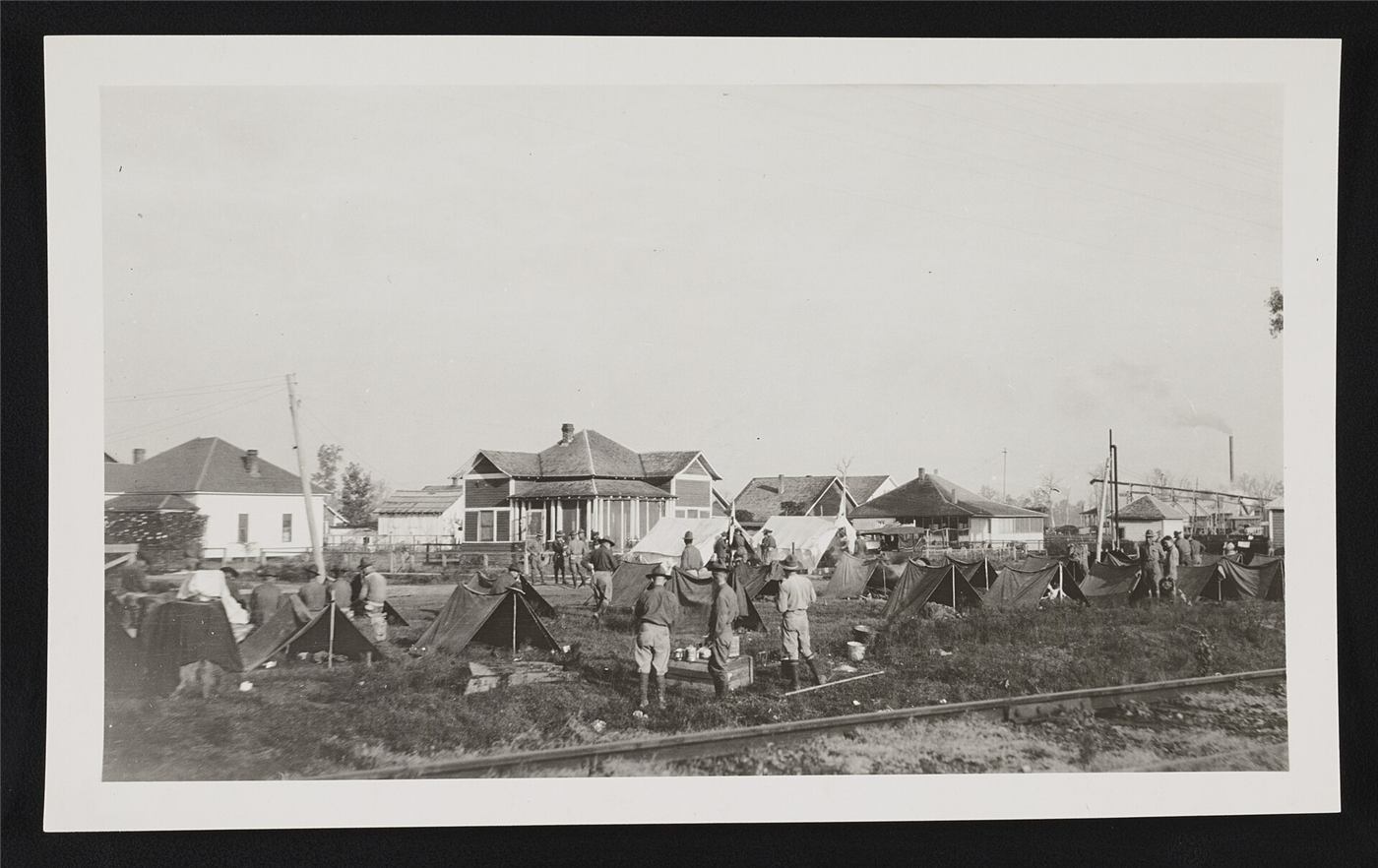
Members of the Progressive Farmers and Household Union met at a church near Elaine. After a shooting outside, white mobs and federal troops killed Black residents over several days. Estimates range from about 100 to more than 200. Twelve Black men were sentenced to death after trials lasting minutes.
Why?
Landowners saw the union as a threat to the sharecropping system.
How did Black people respond?
NAACP and Black Arkansas attorney Scipio Africanus Jones fought the convictions for years.
What changed?
In Moore v. Dempsey (1923), the Supreme Court ruled mob-dominated trials violate due process. All twelve men were eventually freed.
What happened next?
The decision expanded federal court review of unfair state trials.
How could this still matter today?
Moore v. Dempsey is still cited for the principle that a trial controlled by a mob is no trial.
Evidence & sources
Evidence rating: What the ratings mean
- Court case · 1923Moore v. Dempsey, 261 U.S. 86 · U.S. Supreme Court
Overturned convictions from Elaine.Moore v. Dempsey, 261 U.S. 86 (1923).
Related stories
- July 27, 1919Chicago, 1919It began at a segregated beach.
- 1920–2010Black Farmers925,000 farms in 1920. Then the loans stopped.
- July 2, 1917East St. Louis, 1917Then 10,000 people marched in silence.
Cite this page
APAThe Black American Story. (2026). Elaine, 1919. https://www.theblackamericanstory.com/stories/elaine/MLA
"Elaine, 1919." The Black American Story, 2026, https://www.theblackamericanstory.com/stories/elaine/. Accessed [date].
Chicago"Elaine, 1919." The Black American Story. 2026. https://www.theblackamericanstory.com/stories/elaine/.