Civil Rights Act of 1964
The law Black organizers forced through Congress protects Americans by race, color, religion, sex and national origin.
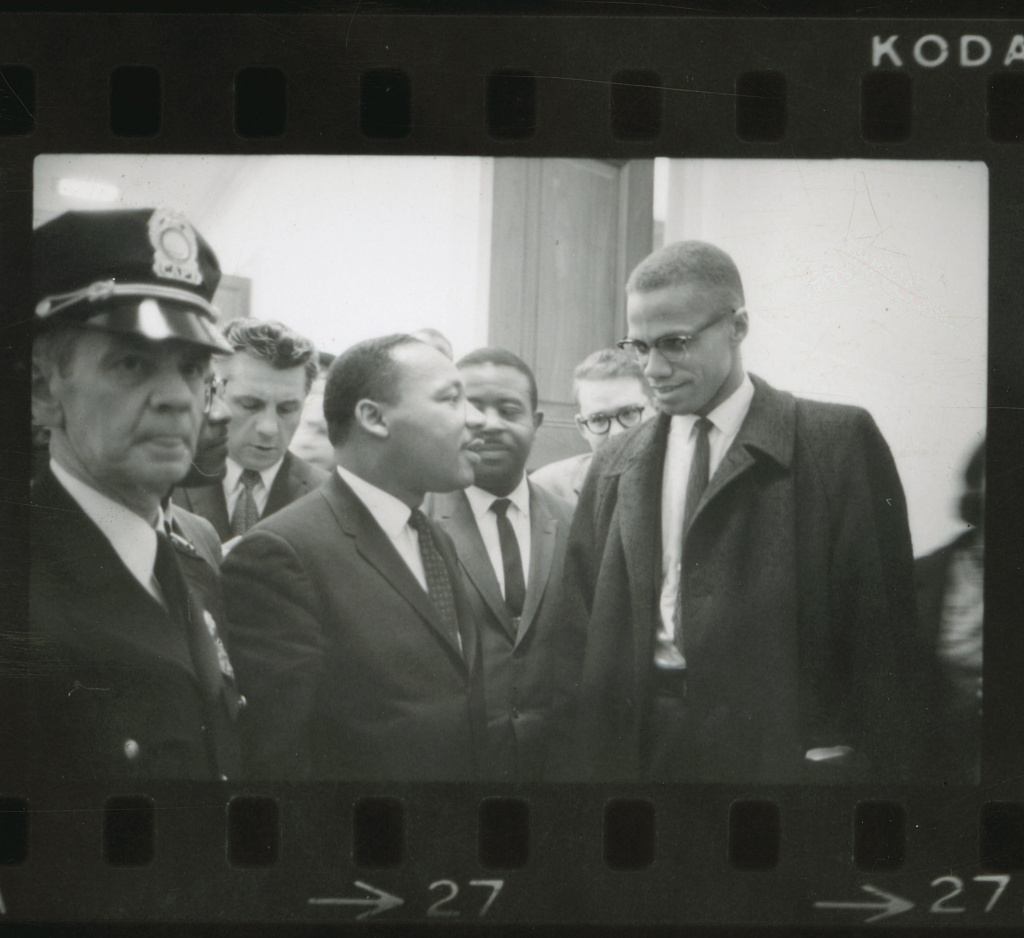
What was happening?
Birmingham, the March on Washington, and years of organizing put civil rights at the top of the national agenda.
What happened?
After a 60-day Senate filibuster, the act banned discrimination in public accommodations (Title II), in federally funded programs (Title VI), and in employment (Title VII), and created the EEOC.
Why?
The movement made segregation politically impossible to defend nationally.
How did Black people respond?
This law is itself the result of Black resistance: boycotts, sit-ins, marches, lawsuits and lives lost.
What changed?
"Sex" was added to Title VII during debate. Women of all races used it to fight workplace discrimination. Religious minorities and immigrants used the national origin and religion protections.
What happened next?
Title VI became the model for Title IX (sex discrimination in education, 1972) and Section 504 (disability, 1973), which led to the ADA in 1990.
How could this still matter today?
In 2020 the Supreme Court held that Title VII also protects gay and transgender workers (Bostock v. Clayton County).
Evidence & sources
Evidence rating: What the ratings mean
- Law · 1964Civil Rights Act of 1964 · National Archives
Full text of the act.Pub. L. No. 88-352, 78 Stat. 241.
Related stories
- Aug 6, 1965Voting Rights ActIn Mississippi, registration went from 7% to 60%.
- April–May 1963Birmingham, 1963The children marched.
- 186814th AmendmentWritten for freedpeople. It protects everyone.
Cite this page
APAThe Black American Story. (2026). Civil Rights Act of 1964. https://www.theblackamericanstory.com/stories/civil-rights-act/MLA
"Civil Rights Act of 1964." The Black American Story, 2026, https://www.theblackamericanstory.com/stories/civil-rights-act/. Accessed [date].
Chicago"Civil Rights Act of 1964." The Black American Story. 2026. https://www.theblackamericanstory.com/stories/civil-rights-act/.