Rosenwald Schools
Black communities partnered with a philanthropist to build nearly 5,000 schools, often raising cash, land and labor themselves.
What was happening?
Southern states spent far less on Black schools than white schools. Many Black children had no school building at all.
What happened?
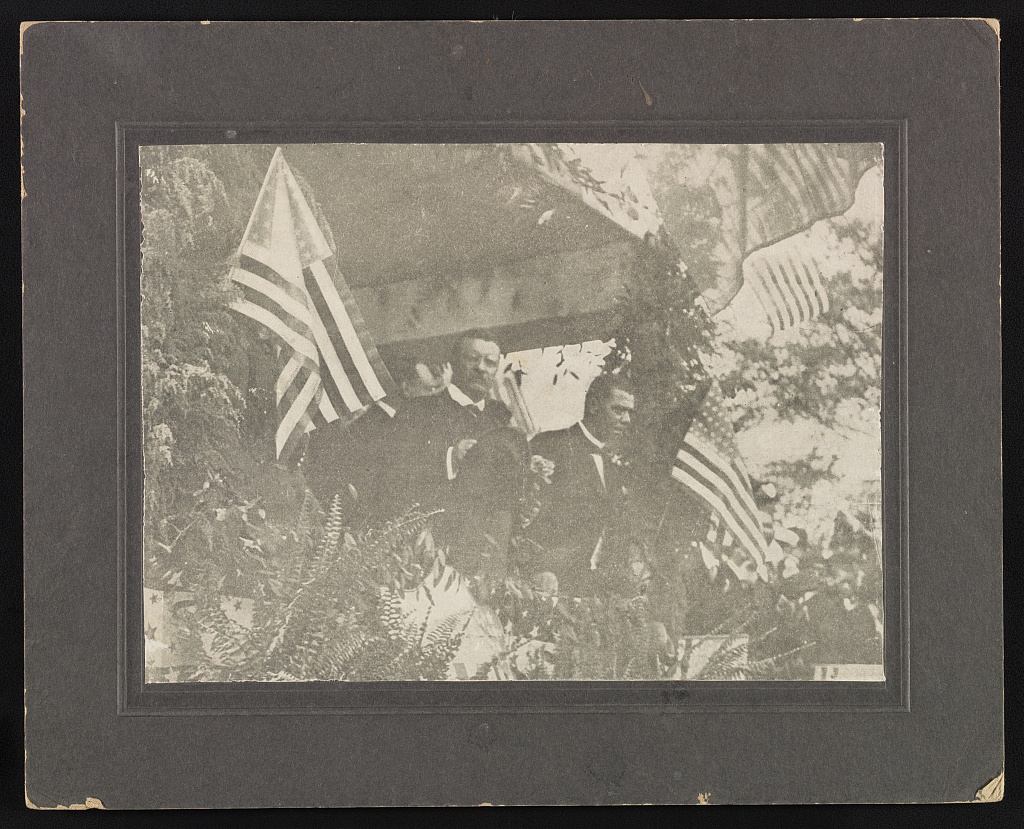
Booker T. Washington and Sears president Julius Rosenwald created a matching program. Black communities contributed cash, land and labor; Rosenwald's fund paid part; public money covered the rest.
Why?
Black parents were determined their children would be educated, and were willing to pay twice: once in taxes and again in donations.
How did Black people respond?
Families held fundraisers, donated land, and built the schools by hand.
What changed?
By 1932, about one-third of rural Black Southern children attended a Rosenwald school.
What happened next?
Economists later linked the schools to large gains in literacy, school attendance and later earnings.
How could this still matter today?
This is direct evidence against the myth that Black families did not value education.
Evidence & sources
Evidence rating: What the ratings mean
- Scholarship · 2011"The Impact of Rosenwald Schools on Black Achievement" · Daniel Aaronson & Bhashkar Mazumder
Journal of Political Economy 119(5).Aaronson & Mazumder, JPE 119(5): 821–888 (2011).
Related stories
- Sept 9, 1739Stono RebellionThey marched south toward freedom.
- May 17, 1954Brown v. BoardA 20-year legal strategy.
- 1877–1910sBlack TownsEntire towns, built and governed by Black people.
Cite this page
APAThe Black American Story. (2026). Rosenwald Schools. https://www.theblackamericanstory.com/stories/rosenwald/MLA
"Rosenwald Schools." The Black American Story, 2026, https://www.theblackamericanstory.com/stories/rosenwald/. Accessed [date].
Chicago"Rosenwald Schools." The Black American Story. 2026. https://www.theblackamericanstory.com/stories/rosenwald/.