The New Deal Gap
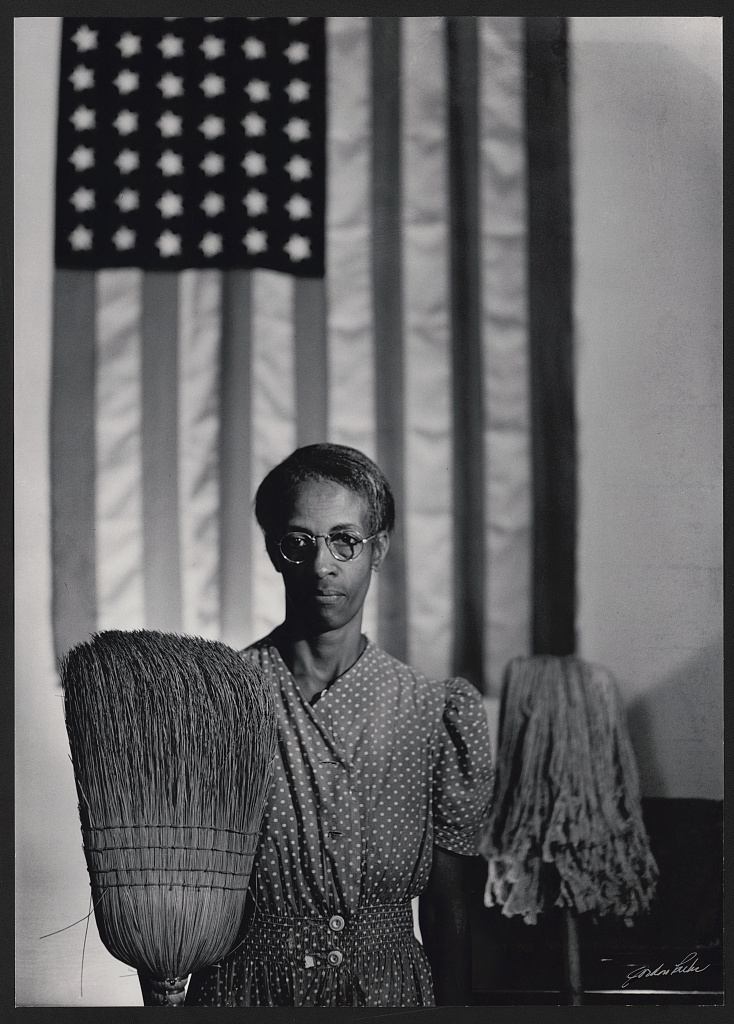
Social Security originally excluded farmworkers and domestic workers, which left out roughly two-thirds of Black workers at the time.
What was happening?
The New Deal created the modern American safety net: Social Security, labor protections and minimum wages.
What happened?
The Social Security Act (1935) and the National Labor Relations Act excluded agricultural and domestic workers, the two largest job categories for Black workers in the South.
Why?
Historians debate the intent. Some emphasize Southern Democrats' demands to protect cheap labor; others point to administrative reasons. The effect on Black workers is not in dispute.
How did Black people respond?
Black organizations, including the NAACP and the National Urban League, protested the exclusions. Domestic workers organized for decades.
What changed?
Coverage was extended to farm and domestic workers in the 1950s.
What happened next?
By then, a generation of white workers had built benefits and savings that many Black workers had been shut out of.
How could this still matter today?
Domestic workers still have fewer labor protections than most workers in many states.
Evidence & sources
Evidence rating: What the ratings mean
- Law · 1935Social Security Act of 1935 · Congress
Exclusion of agricultural and domestic labor.Pub. L. 74-271, §210(b). - Scholarship · 2005When Affirmative Action Was White · Ira Katznelson
Argues the New Deal and GI Bill widened racial gaps.Katznelson, W. W. Norton, 2005.
Related stories
- 1944The GI BillSame war. Different benefits.
- 1934–1968RedliningYour address could determine your future.
Cite this page
APAThe Black American Story. (2026). The New Deal Gap. https://www.theblackamericanstory.com/stories/new-deal/MLA
"The New Deal Gap." The Black American Story, 2026, https://www.theblackamericanstory.com/stories/new-deal/. Accessed [date].
Chicago"The New Deal Gap." The Black American Story. 2026. https://www.theblackamericanstory.com/stories/new-deal/.