The FBI vs. King
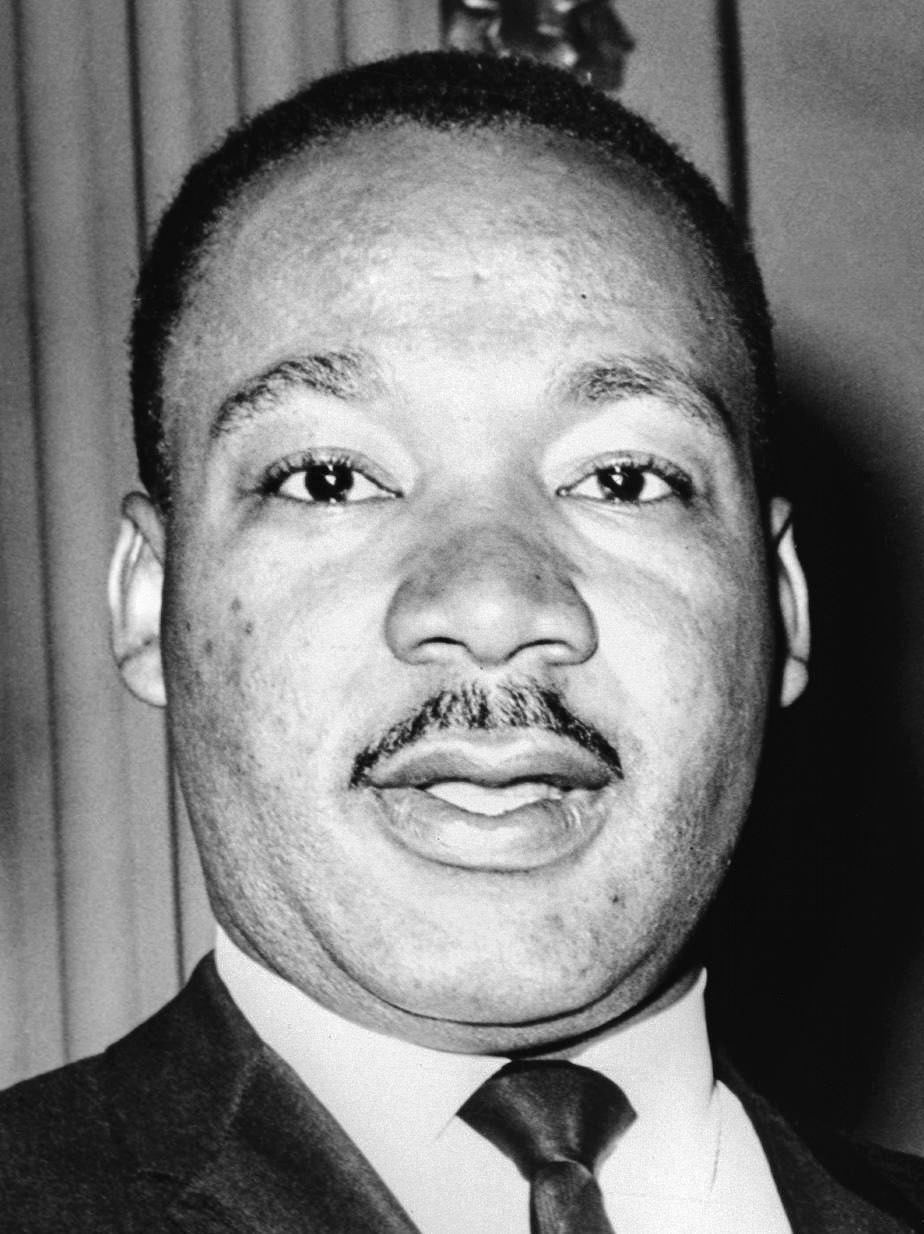
The FBI wiretapped Martin Luther King Jr., bugged his hotel rooms, and mailed him an anonymous letter that appeared to urge him to kill himself.
What was happening?
After the March on Washington, an FBI memo called King the most dangerous Black leader in the country.
What happened?
Attorney General Robert Kennedy approved wiretaps in October 1963. The FBI bugged hotel rooms, then sent King an anonymous package with recordings and a letter in November 1964, weeks before he received the Nobel Peace Prize.
Why?
J. Edgar Hoover saw King as a threat and claimed, without evidence, communist influence.
How did Black people respond?
King and his colleagues continued their work. Coretta Scott King opened the package.
What changed?
The Church Committee exposed the campaign in 1975–76.
What happened next?
An unredacted version of the letter was published in 2014.
How could this still matter today?
The FBI building in Washington is named for J. Edgar Hoover. King has a national holiday.
Evidence & sources
Evidence rating: What the ratings mean
- Congressional report · 1976Church Committee, Book III: "Dr. Martin Luther King, Jr., Case Study" · U.S. Senate
Detailed account of the FBI's campaign.S. Rep. No. 94-755, Book III, pp. 79–184.
Related stories
- 1956–1971COINTELPROThis one isn't a conspiracy theory.
- April 4, 1968Memphis, 1968He came to support garbage workers.
- Dec 5, 1955–Dec 20, 1956Montgomery Bus Boycott381 days. Who organized it?
Cite this page
APAThe Black American Story. (2026). The FBI vs. King. https://www.theblackamericanstory.com/stories/mlk-fbi/MLA
"The FBI vs. King." The Black American Story, 2026, https://www.theblackamericanstory.com/stories/mlk-fbi/. Accessed [date].
Chicago"The FBI vs. King." The Black American Story. 2026. https://www.theblackamericanstory.com/stories/mlk-fbi/.