Hip-Hop
It started at a back-to-school party in a Bronx rec room. It became the most consumed genre in America.
What was happening?
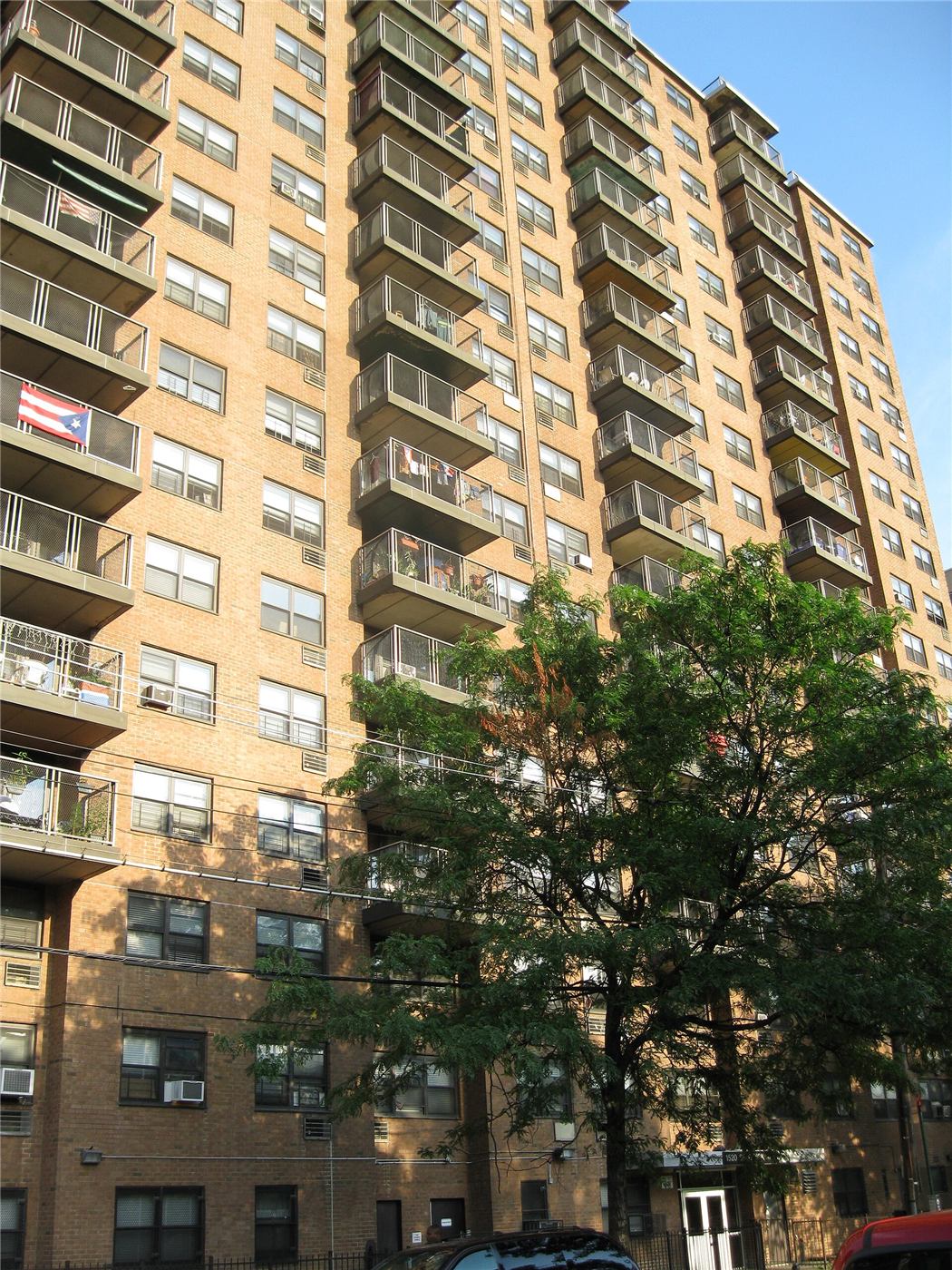
The Bronx in the 1970s was hit by disinvestment, highway construction and fire. Young people built culture with turntables, spray paint and their bodies.
What happened?
DJ Kool Herc extended drum breaks at a party at 1520 Sedgwick Avenue in 1973. Hip-hop grew from DJing, MCing, breaking and graffiti, created by Black and Latino youth.
Why?
Expression, competition and community in a neighborhood the city had abandoned.
How did Black people respond?
Black entrepreneurs built labels: Sylvia Robinson's Sugar Hill Records released "Rapper's Delight" (1979). Later artists fought for ownership of their masters and publishing.
What changed?
By 2017, hip-hop and R&B were the most consumed genre in the U.S.
What happened next?
Ownership remained contested. Some artists, like Master P, negotiated to own their masters; many did not.
How could this still matter today?
The question "who owns the masters?" is the question of the whole culture section.
Evidence & sources
Evidence rating: What the ratings mean
- Government record · 2023Hip Hop Celebration Day resolution · U.S. Senate
Senate resolution marking the 50th anniversary of hip-hop and August 11, 1973.U.S. Senate resolution, 118th Congress (2023).
Related stories
Cite this page
APAThe Black American Story. (2026). Hip-Hop. https://www.theblackamericanstory.com/stories/hip-hop/MLA
"Hip-Hop." The Black American Story, 2026, https://www.theblackamericanstory.com/stories/hip-hop/. Accessed [date].
Chicago"Hip-Hop." The Black American Story. 2026. https://www.theblackamericanstory.com/stories/hip-hop/.