Harlem Renaissance
Writers, artists and musicians made Harlem the capital of Black cultural self-definition.
What was happening?
The Great Migration brought hundreds of thousands of Black Southerners and Caribbean immigrants to Northern cities.
What happened?
Langston Hughes, Zora Neale Hurston, Claude McKay, Countee Cullen, Jessie Fauset, Aaron Douglas, Augusta Savage, Duke Ellington and many others created a new body of art. Alain Locke's anthology The New Negro (1925) named the moment.
Why?
Artists rejected stereotypes and insisted on defining Black life on their own terms.
How did Black people respond?
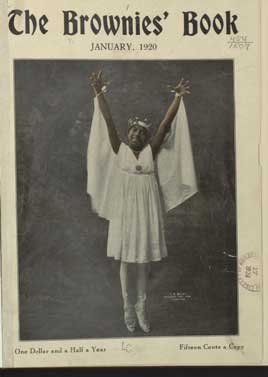
Black-owned magazines like The Crisis and Opportunity published new writers and ran literary contests.
What changed?
Black art entered the center of American culture.
What happened next?
Ownership was uneven: the Cotton Club featured Black performers for white-only audiences. The Depression hit Harlem hard.
How could this still matter today?
Who creates culture and who controls and profits from it is a question this period raises sharply.
Evidence & sources
Evidence rating: What the ratings mean
- Anthology · 1925The New Negro · Alain Locke (ed.)
The defining anthology of the movement.Locke, Albert & Charles Boni, 1925.
Related stories
- 1910–1970The Great MigrationSix million people moved.
- Aug 11, 1973Hip-HopWho created it—and who owned it?
Cite this page
APAThe Black American Story. (2026). Harlem Renaissance. https://www.theblackamericanstory.com/stories/harlem-renaissance/MLA
"Harlem Renaissance." The Black American Story, 2026, https://www.theblackamericanstory.com/stories/harlem-renaissance/. Accessed [date].
Chicago"Harlem Renaissance." The Black American Story. 2026. https://www.theblackamericanstory.com/stories/harlem-renaissance/.