Henrietta Lacks
Cells taken without her knowledge became one of the most important tools in modern medicine.
What was happening?
In 1951, Henrietta Lacks, a 31-year-old Black mother of five, was treated for cervical cancer at Johns Hopkins, one of few hospitals then treating Black patients.
What happened?
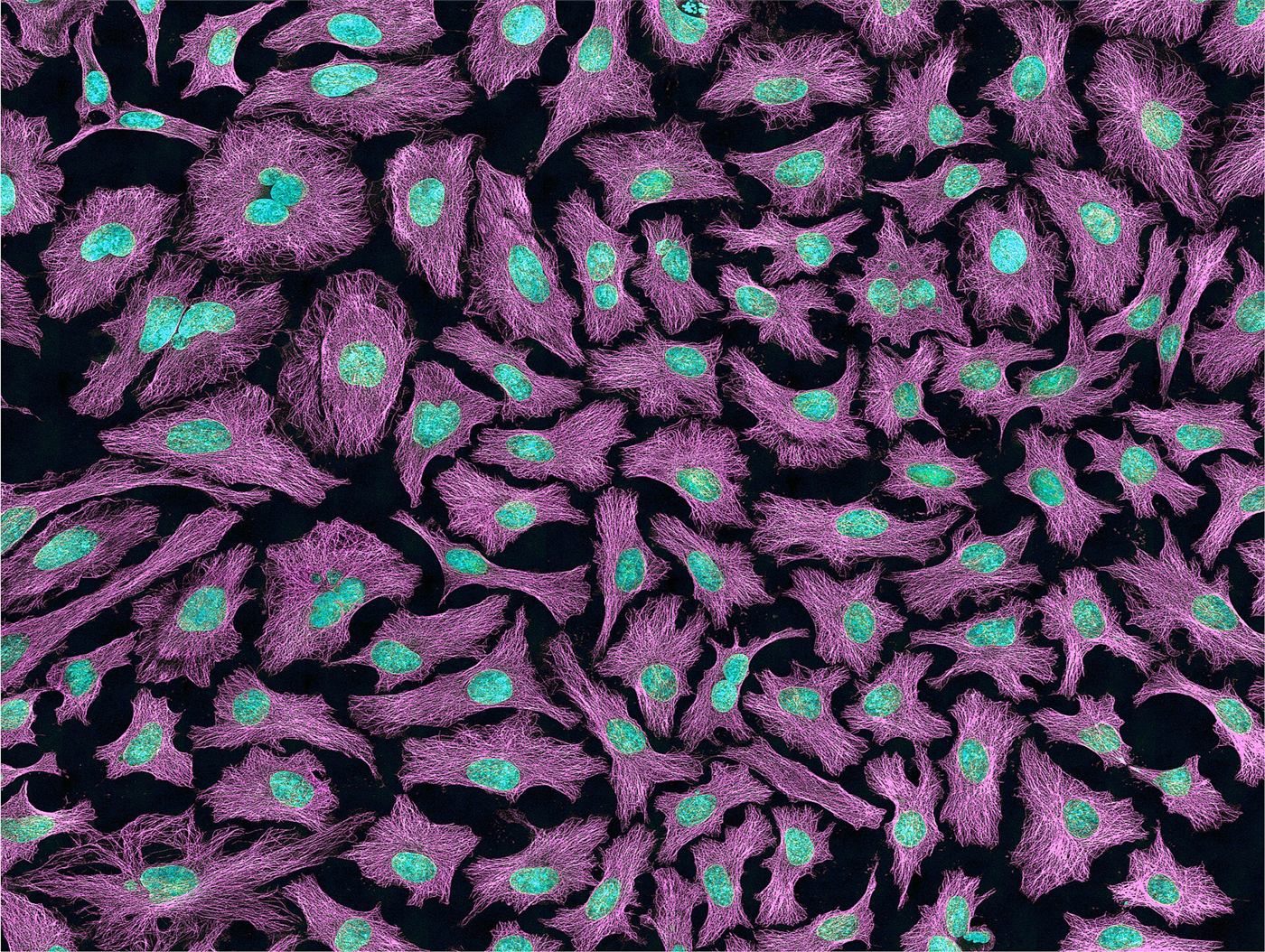
Doctors took samples of her tumor without her knowledge or consent, a common practice at the time. Her cells, called HeLa, were the first to grow indefinitely in a lab. She died in October 1951.
Why?
Consent rules for research tissue barely existed, and her family was not told.
How did Black people respond?
Her family spent decades seeking recognition and control. Rebecca Skloot's 2010 book brought the story to the public.
What changed?
HeLa cells helped develop the polio vaccine, cancer and HIV research, gene mapping and COVID-19 research. Polio vaccine testing used HeLa cells mass-produced at Tuskegee Institute.
What happened next?
In 2013 the NIH gave the Lacks family a role in approving access to HeLa genome data. In 2023 the family settled with a biotech company that sold HeLa cells.
How could this still matter today?
Her case shaped debates about consent and who profits from biological material.
Evidence & sources
Evidence rating: What the ratings mean
- Institution · The Legacy of Henrietta Lacks · Johns Hopkins Medicine
Hopkins' own account.Johns Hopkins Medicine.
Related stories
- 1932–1972TuskegeeThey weren't told the truth.
- 1929–1974Coerced SterilizationThe "Mississippi appendectomy."
Cite this page
APAThe Black American Story. (2026). Henrietta Lacks. https://www.theblackamericanstory.com/stories/henrietta-lacks/MLA
"Henrietta Lacks." The Black American Story, 2026, https://www.theblackamericanstory.com/stories/henrietta-lacks/. Accessed [date].
Chicago"Henrietta Lacks." The Black American Story. 2026. https://www.theblackamericanstory.com/stories/henrietta-lacks/.