Dred Scott
The Supreme Court ruled that Black Americans could never be citizens.
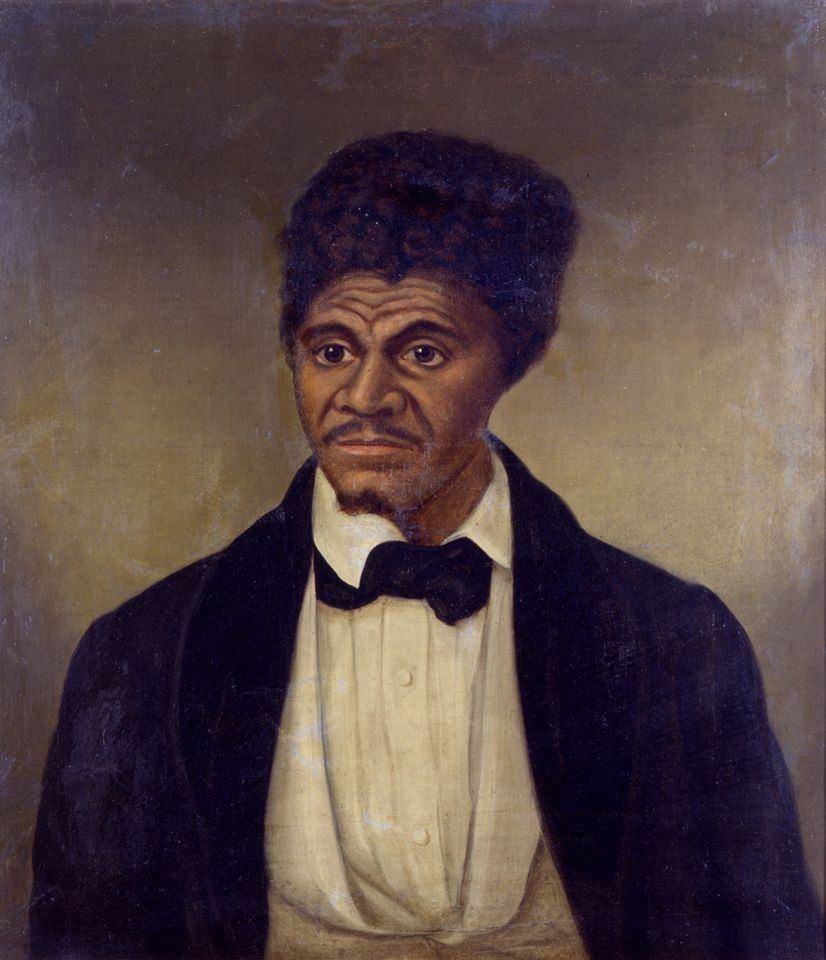
What was happening?
Dred and Harriet Scott had lived with their enslaver in Illinois and the Wisconsin Territory, where slavery was banned. They sued for freedom in Missouri.
What happened?
In a 7–2 decision, Chief Justice Roger Taney ruled that people of African descent were not and could not be U.S. citizens, and that Congress could not ban slavery in the territories.
Why?
The Court tried to settle the slavery question permanently in slaveholders' favor.
How did Black people respond?
Frederick Douglass predicted the ruling would hasten slavery's end. Black abolitionists intensified organizing, and the decision energized the new Republican Party.
What changed?
Black citizenship was formally denied by the highest court in the country.
What happened next?
The 14th Amendment (1868) overturned Dred Scott by declaring that all persons born in the United States are citizens.
How could this still matter today?
Birthright citizenship, which protects millions of Americans of every background, exists because of the effort to undo this decision.
Evidence & sources
Evidence rating: What the ratings mean
- Court case · 1857Dred Scott v. Sandford, 60 U.S. 393 · U.S. Supreme Court
Full decision and Taney's opinion.Dred Scott v. Sandford, 60 U.S. (19 How.) 393 (1857).
Related stories
- 186814th AmendmentWritten for freedpeople. It protects everyone.
- 1787The Three-Fifths ClauseIt gave slaveholders more seats.
- 1865–1877ReconstructionBlack political power didn't begin in the 1960s.
Cite this page
APAThe Black American Story. (2026). Dred Scott. https://www.theblackamericanstory.com/stories/dred-scott/MLA
"Dred Scott." The Black American Story, 2026, https://www.theblackamericanstory.com/stories/dred-scott/. Accessed [date].
Chicago"Dred Scott." The Black American Story. 2026. https://www.theblackamericanstory.com/stories/dred-scott/.