Rosewood, 1923
A white mob destroyed a small Black town. Seventy years later, Florida paid survivors.
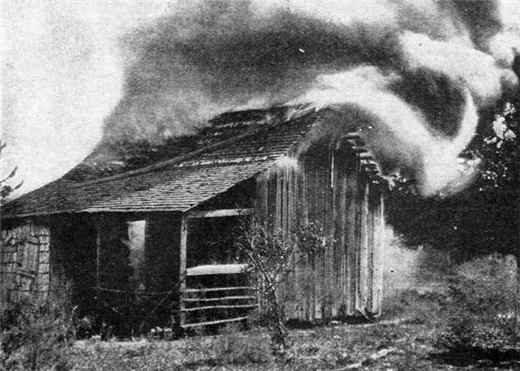
What was happening?
Rosewood was a small, largely Black town with homes, churches and a school.
What happened?
After a white woman in nearby Sumner said she had been assaulted by a Black man, white mobs searched for him and attacked Rosewood. At least six Black people and two white people were killed; residents fled into the swamps. The town was burned.
Why?
An unproven accusation, and a mob that treated every Black resident as guilty.
How did Black people respond?
Survivors kept the story alive. In the 1990s, descendants pressed the state for justice.
What changed?
In 1994, Florida passed the Rosewood Compensation Act, among the first state laws in the U.S. to compensate victims of racial violence.
What happened next?
Survivors received payments and a scholarship fund was created for descendants.
How could this still matter today?
Rosewood is a precedent in debates about repair and compensation.
Evidence & sources
Evidence rating: What the ratings mean
- Official report · 1993A Documented History of the Incident Which Occurred at Rosewood, Florida, in January 1923 · Florida Board of Regents
Commissioned by the Florida Legislature.Jones et al., Florida Board of Regents, Dec. 1993.
Related stories
- Nov 2, 1920Ocoee, 1920He tried to vote.
- May 31–June 1, 1921Black Wall StreetThey built it. Then it burned.
Cite this page
APAThe Black American Story. (2026). Rosewood, 1923. https://www.theblackamericanstory.com/stories/rosewood/MLA
"Rosewood, 1923." The Black American Story, 2026, https://www.theblackamericanstory.com/stories/rosewood/. Accessed [date].
Chicago"Rosewood, 1923." The Black American Story. 2026. https://www.theblackamericanstory.com/stories/rosewood/.