Ida B. Wells
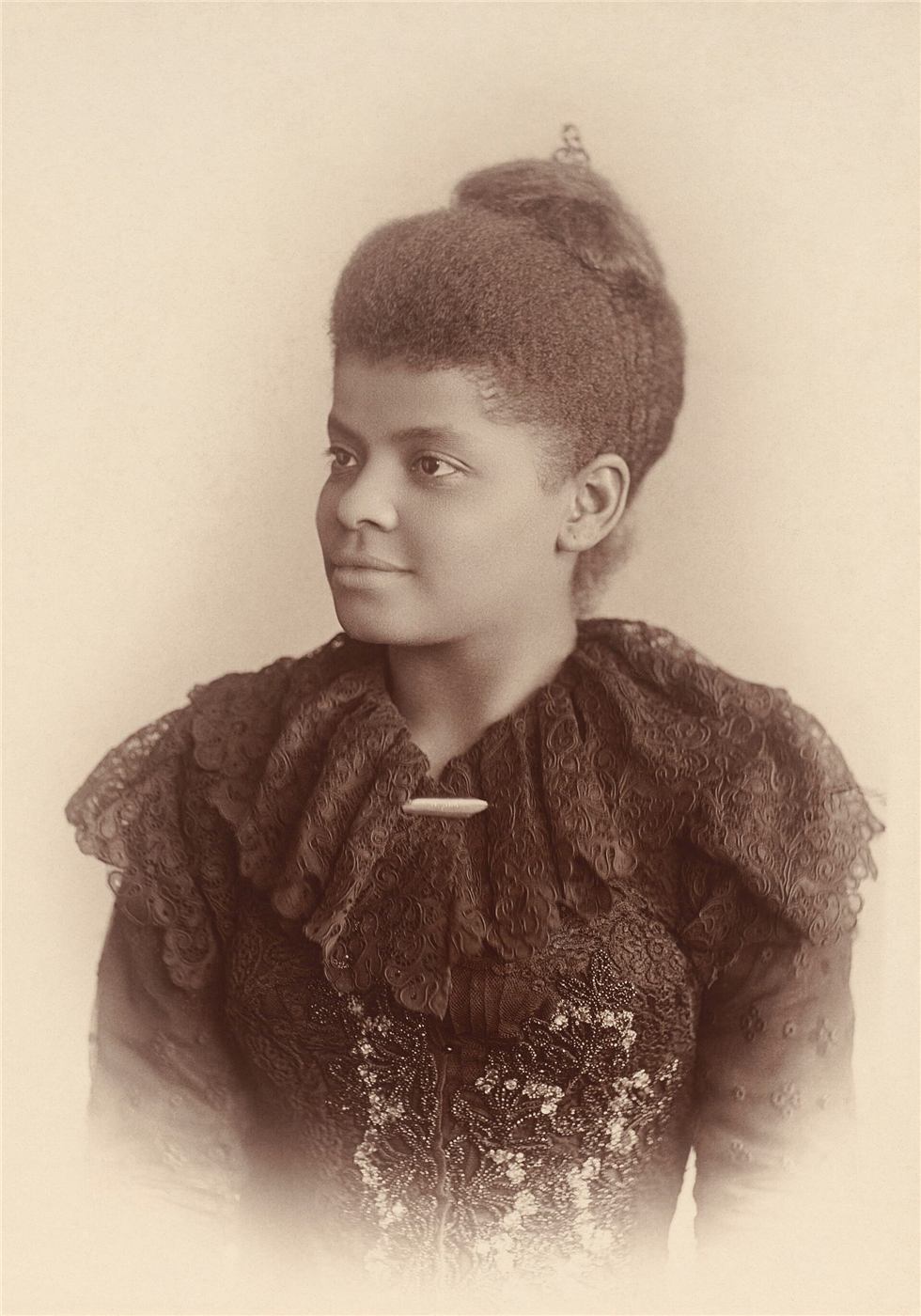
After a lynching of three of her friends, a Memphis journalist began documenting lynching with data, and exposed the lies used to justify it.
What was happening?
Lynchings were often justified by claims of sexual assault, which went unquestioned in the white press.
What happened?
Wells investigated lynchings and found that alleged assault was not even charged in most cases. She published Southern Horrors (1892) and The Red Record (1895). A mob destroyed her newspaper, Free Speech, and threatened her life.
Why?
Her friends had been killed for running a successful business.
How did Black people respond?
Wells urged Black Memphians to leave the city or boycott streetcars; thousands left. She lectured in Britain to build international pressure and co-founded the NAACP.
What changed?
She created the model for data-driven investigative reporting on racial violence.
What happened next?
The NAACP's anti-lynching campaign followed her methods. Congress failed to pass an anti-lynching law for more than a century.
How could this still matter today?
Congress finally made lynching a federal hate crime in 2022, with the Emmett Till Antilynching Act. Wells received a posthumous Pulitzer citation in 2020.
Evidence & sources
Evidence rating: What the ratings mean
- Pamphlet · 1892Southern Horrors: Lynch Law in All Its Phases · Ida B. Wells
Her first investigative pamphlet on lynching.Wells, New York Age Print, 1892. - Pamphlet · 1895The Red Record · Ida B. Wells
Statistics on lynching from 1892–1894.Wells, Chicago, 1895.
Related stories
- Aug 28, 1955Emmett TillHis mother said: let the world see.
- 1910–1970The Great MigrationSix million people moved.
- 1934Claude NealMob lynching.
Cite this page
APAThe Black American Story. (2026). Ida B. Wells. https://www.theblackamericanstory.com/stories/ida-b-wells/MLA
"Ida B. Wells." The Black American Story, 2026, https://www.theblackamericanstory.com/stories/ida-b-wells/. Accessed [date].
Chicago"Ida B. Wells." The Black American Story. 2026. https://www.theblackamericanstory.com/stories/ida-b-wells/.